Sovereign Debt & Defaults
Editorial mechanism / topic label; does not claim a causal historical connection.
-
Athenian Maritime Bottomry Loans, the Banks of Pasion and Phormion, and Commercial Courts
In classical Athens, merchants borrowed against sea voyages as bankers and specialist courts supported trade across the Mediterranean.
-
Solon’s Seisachtheia, the Hektemoroi, and the Abolition of Athenian Debt Bondage
Athenian traditions credit Solon with sweeping debt reforms; the details reveal how debt, citizenship and land rights intertwined.
-
From the Dodge Line to Deficit Bonds: Japan’s Postwar Fiscal Law and the 1989 Consumption Tax
Japan’s postwar budget discipline evolved into deficit-bond issuance and a national consumption tax amid rising spending pressures.
-
From Commodity Parity Units to Zero Debt: China’s Sovereign Bond Experiment (1950–1981)
China’s first post-1949 bonds used commodity-based units before public borrowing receded and government debt issuance resumed.
-
Argentina’s $93 Billion 2001 Default and the 15-Year NML Capital Holdout War
Argentina’s 2001 default set off years of bond exchanges and litigation with holdout creditors, including NML Capital.
-
From Soviet Debt Assumption and the 2006 Paris Club Payoff to Russia’s 2022 Default
Russia’s debt story runs from the Soviet breakup through its 2006 Paris Club payoff to the contested external-bond default of 2022.
-
Holland’s Financial Revolution: Losrenten, Lijfrenten, and 4% War Debt
The Dutch Republic developed powerful public-credit tools, using annuities and consumption taxes to support long campaigns.
-
Caracalla’s 212 CE Constitutio Antoniniana and the Roman Fiscal State
Caracalla’s citizenship grant reshaped the Roman Empire; historians still debate the policy’s fiscal motivation and effects.
-
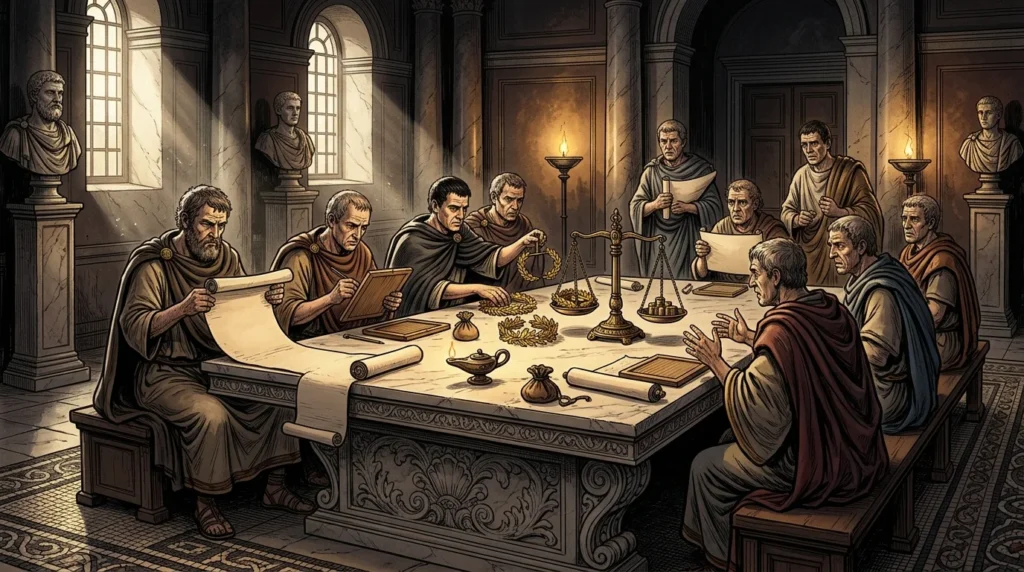
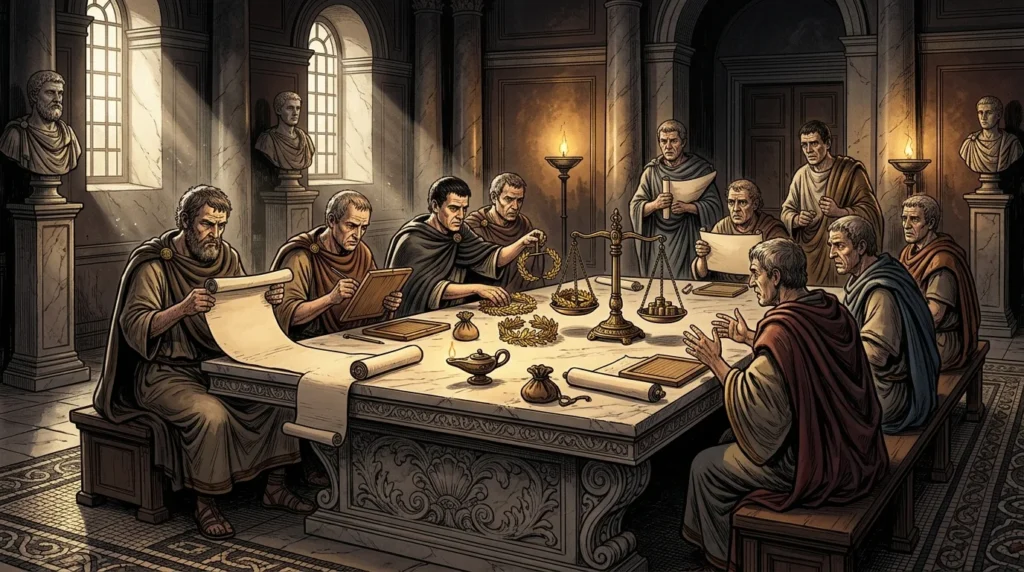
Compulsory Liturgies, the Aurum Coronarium, and Credit in the Third-Century Crisis
How Rome financed imperial rule after the Constitutio Antoniniana expanded citizenship in 212 CE.
-
The Roman Financial Panic of 33 CE: Tiberius and the 100-Million-Sesterce Bailout
How a credit panic struck Rome in 33 CE and why Tiberius organized emergency loans.




Keep exploring
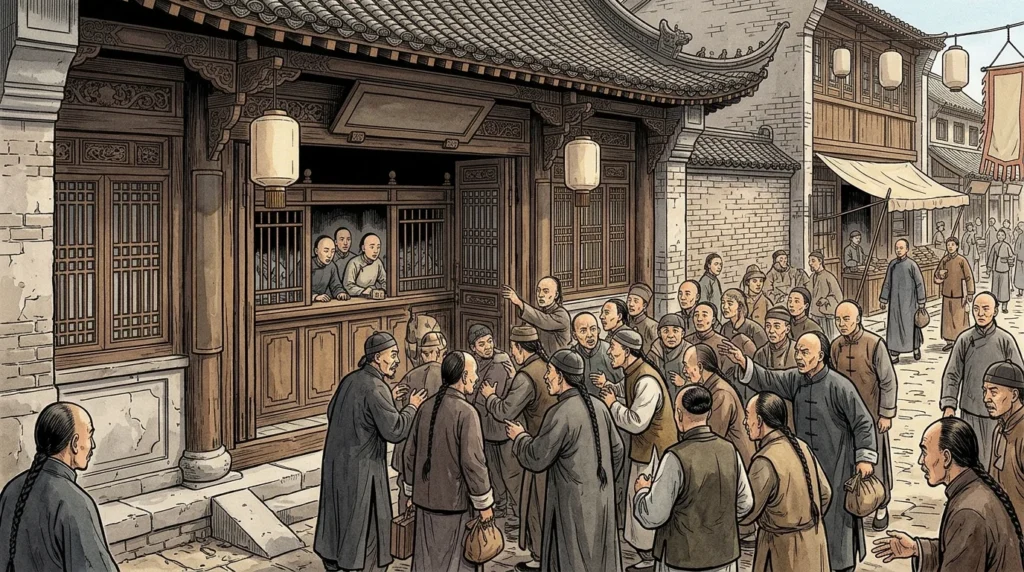 Banking Crises Bank runs, failed lenders, liquidity freezes, and the fragile institutional confidence that holds modern financial systems together.
 Currency Collapses How money loses its value, and what happens to the people who depend on it.
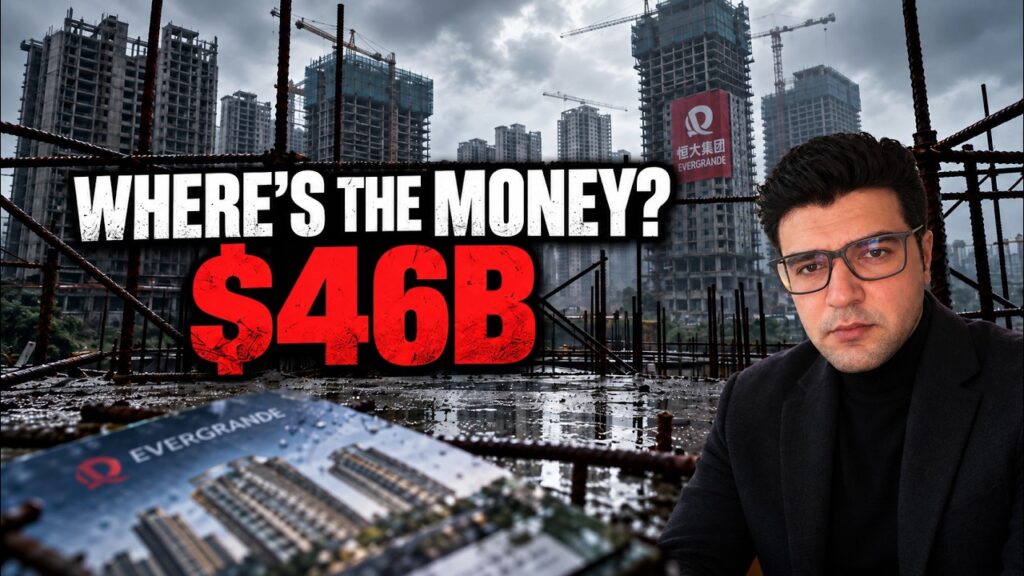 Debt & Defaults The promises, negotiations, and human costs behind sovereign and private debt.
 Oil, Commodities & Trade The resources, trade routes, and supply shocks that reshape economic power.
 Institutions The organizations that govern the world economy: their origins, choices, and consequences.
 You Are There Immersive journeys into the moments when economic history changed everyday life.