
Empire & Trade Finance
Editorial mechanism / topic label; does not claim a causal historical connection.
-
Sanctions, Hawala, and Infrastructure: Iran’s Post-War Economic Adaptation
From post-war Five-Year Development Plans after 1988 and the 1996 U.S. Iran and Libya Sanctions Act to informal hawala remittance networks and domestic metro…
-
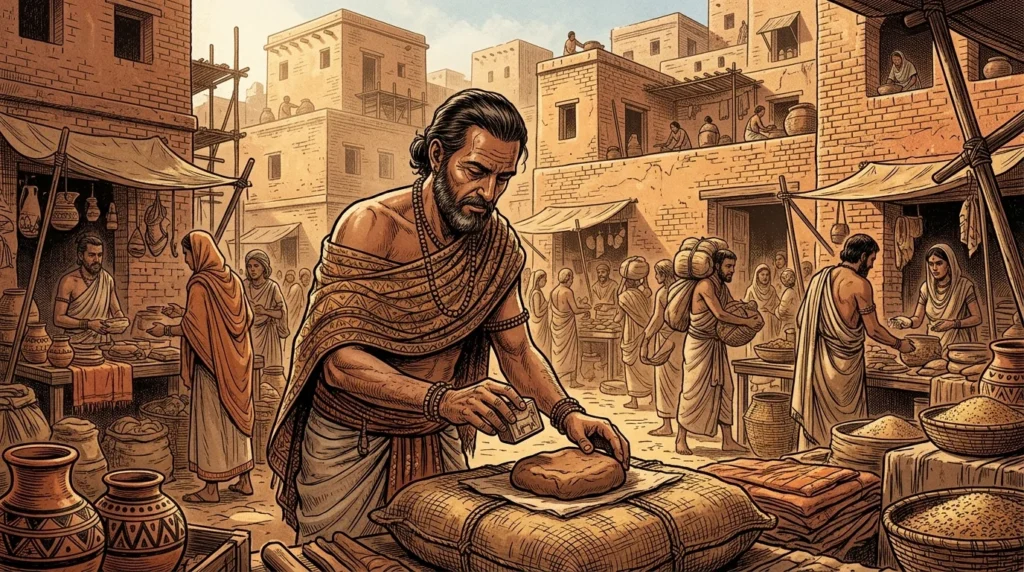
Indus Valley Trade: How Harappan Merchants Managed Commerce Without Currency
Spanning over one million square kilometers between 2600 and 1900 BCE, the Indus Valley Civilization coordinated domestic and Mesopotamian trade without coined money—relying on…
-
Songhai Empire (1550–1591): Trans-Saharan Trade and the Fiscal Collapse at Tondibi
Controlling the Niger River trade highway and the Saharan salt mines of Taghaza, the sixteenth-century Songhai Empire built West Africa’s largest fiscal and commercial…
-
New Kingdom Egypt: Imperial Trade Networks, Silver Accounting, and Wenamun
From Thutmose III’s Levantine campaigns and Amarna diplomacy to the literary Report of Wenamun, explore what Egypt’s surviving evidence reveals about ancient maritime trade…
-
Public Finance, Land Concentration, and Debt Cancellation in Ancient Sparta
From Aristotle’s fourth-century BCE critique of Sparta’s empty state treasury to the third-century BCE debt cancellations and land redistributions of Kings Agis IV and…
-
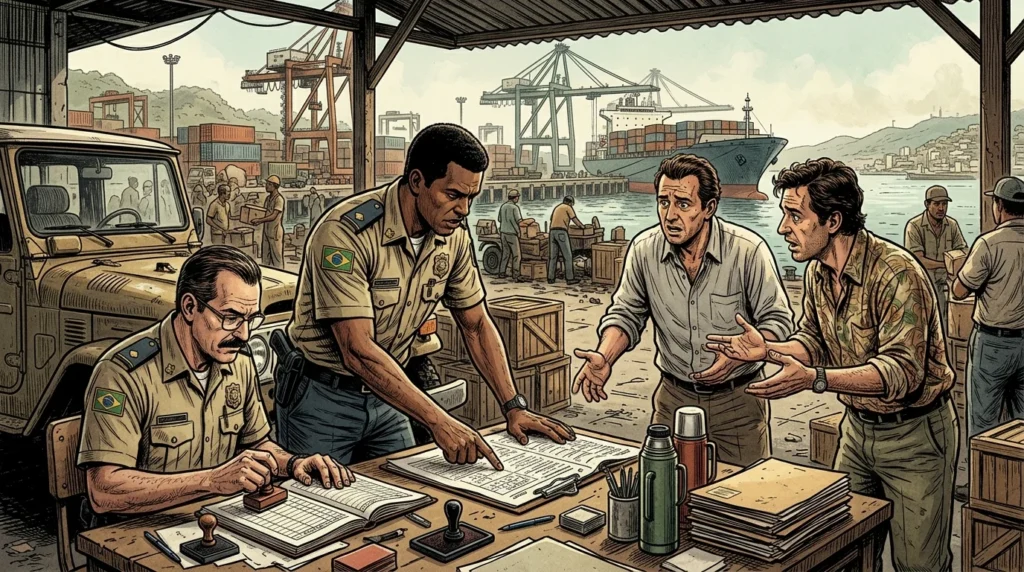
Dismantling Protectionism: Brazil’s Trade Liberalization Since 1990
Beginning in 1990, Brazil dismantled decades of import substitution through sweeping tariff cuts and MERCOSUR integration, reshaping industrial supply chains, export markets, and regional…
-
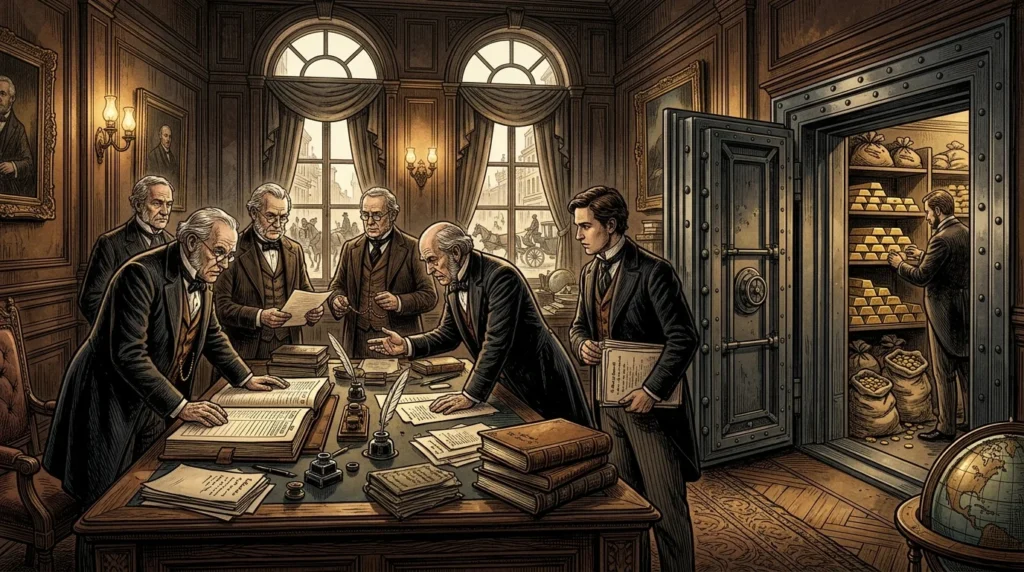
Early National Banking Data and Price Reconstructions (1851–1913)
Before the creation of the Federal Reserve System and the official Consumer Price Index in 1913, tracking American inflation and credit relied on fragmented…
-
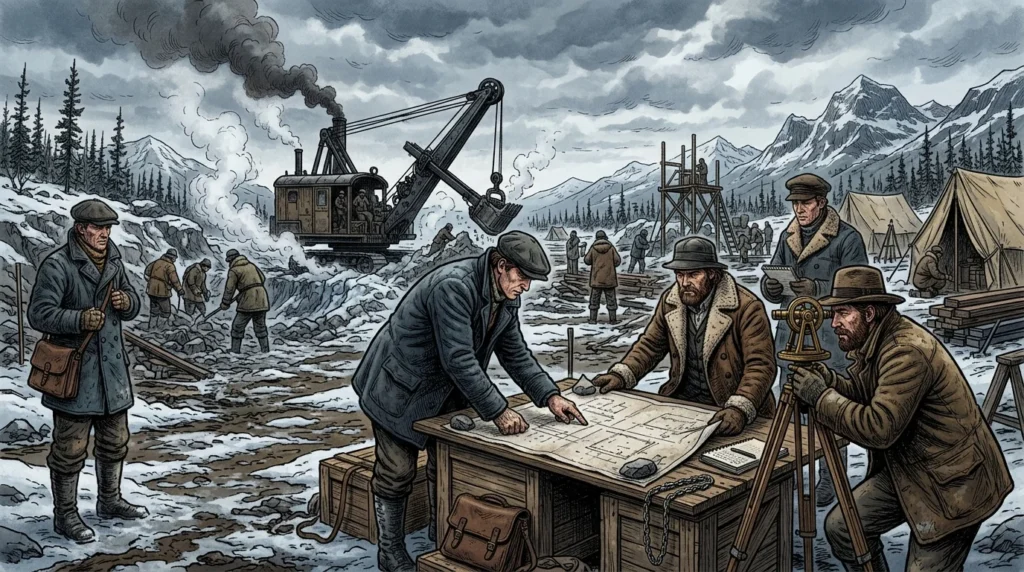
Financing the Alaska Railroad: From Federal Appropriations to Speculative Expansion
After private syndicates went bankrupt trying to build across subarctic terrain, Congress authorized $35 million in 1914 to create the federally funded Alaska Railroad.…
-
The Panic of 1819: Land Credit, Bank Notes and America’s First Great Depression
After the War of 1812, cheap bank credit and federal land sold on installments fuelled a western boom. When the Second Bank of the…
-
The International Tin Council: From 1956 Treaty Architecture to 1985 Collapse
Established under the 1954–1956 First International Tin Agreement, the International Tin Council used export quotas and a buffer stock to manage global tin prices…



Keep exploring
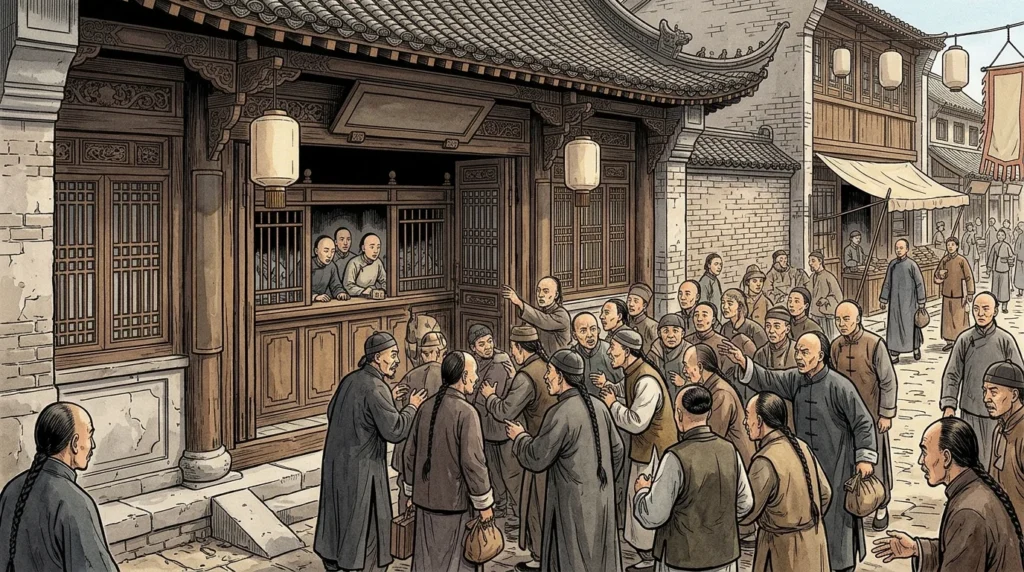 Banking Crises Bank runs, failed lenders, liquidity freezes, and the fragile institutional confidence that holds modern financial systems together.
 Currency Collapses How money loses its value, and what happens to the people who depend on it.
 Debt & Defaults The promises, negotiations, and human costs behind sovereign and private debt.
 Oil, Commodities & Trade The resources, trade routes, and supply shocks that reshape economic power.
 Institutions The organizations that govern the world economy: their origins, choices, and consequences.
 You Are There Immersive journeys into the moments when economic history changed everyday life.