Commodity & Trade Shocks
Editorial mechanism / topic label; does not claim a causal historical connection.
-
Why America Accumulated 1.6 Million Tons of Copper: COMEX Arbitrage and Tariff Risk
How tariff threats and a historic price gap between New York COMEX and the London Metal Exchange drove traders to build a 1.6-million-ton US…
-
Transgenic Soy, Silo Bags, and Shale: Resolution 125 and YPF’s Vaca Muerta Gamble
Argentina’s soybean boom, a disputed export-tax plan and the YPF takeover reveal tensions over commodity wealth.
-
From Loans-for-Shares and the Aluminum Wars to Yukos, Gazprom, and the Shadow Fleet
Loans-for-shares, the Yukos affair and Russia’s energy sector reveal the close ties between assets, politics and state revenue.
-
Alpine Resource Empire: Marc Rich’s 1994 Ouster, Glencore’s IPO, and Swiss Commodities
Marc Rich’s exit, Glencore’s stock listing and the Xstrata deal reshaped Switzerland’s commodity-trading industry.
-
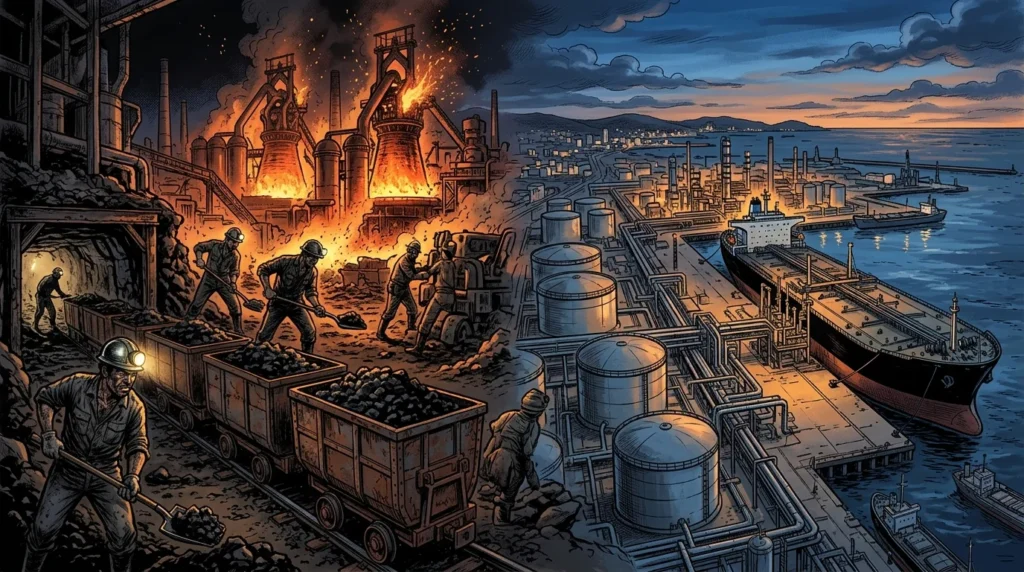
The 1958 Ruhr Coal Crisis, the 1970 Soviet Pipes-for-Gas Deal, and the 1973 Oil Shock
West Germany’s coal crisis, Soviet gas agreement and oil shock transformed industrial jobs, energy security and public finance.
-
How France’s Nuclear Giant Lost €17.9 Billion
EDF’s record 2022 loss followed reactor outages and regulated power prices. See how the crisis led to French state ownership.
-
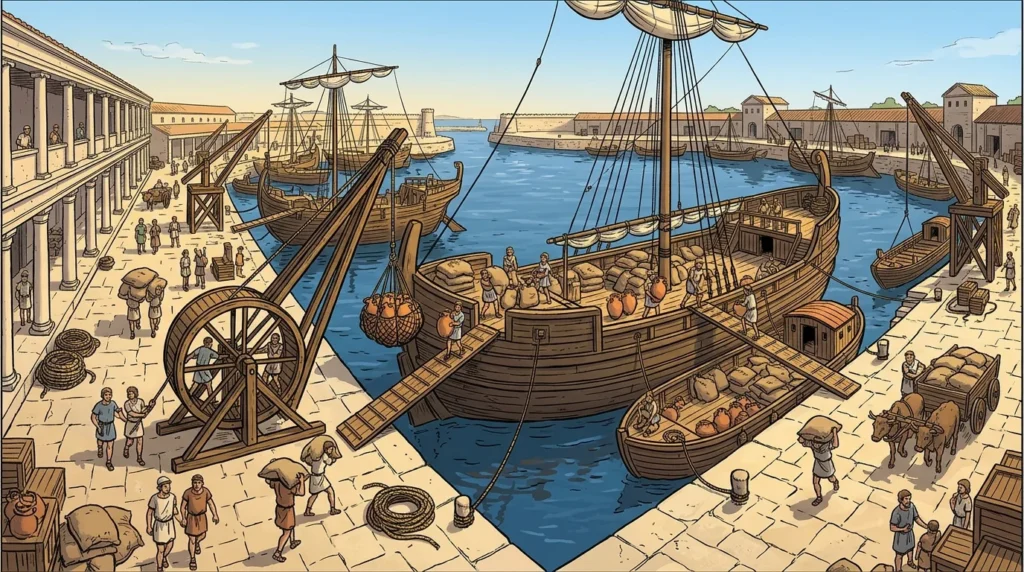
Bread, Oil, and Bullion: Rome’s Third-Century Annona Expansion and the Collapse of Spanish Mines
The Roman annona supplied food to Rome through public distribution. Bread, oil and shrinking mining revenues tested imperial finances.
-
Feeding Imperial Rome: Alexandrian Grain Fleets, Monte Testaccio, and Las Médulas
Roman Empire commodities moved through grain fleets, oil-amphora networks and Spanish mines. These supplies underpinned imperial power.
-
Priority Production, the Miike Coal Strike, and Japan’s 1973 Toilet Paper Panic
Priority Production revived Japan’s coal and steel sectors. The Miike strike and 1973 oil panic exposed its energy dependence.
-
Tonggou Tongxiao, Daqing Oil, and China’s Dual-Track Commodity Revolution (1953–1985)
Tonggou Tongxiao brought grain trade under state control in China. Follow ration coupons, Daqing oil and the turn to dual-track prices.





Keep exploring
 Banking Crises Bank runs, failed lenders, liquidity freezes, and the fragile institutional confidence that holds modern financial systems together.
 Currency Collapses How money loses its value, and what happens to the people who depend on it.
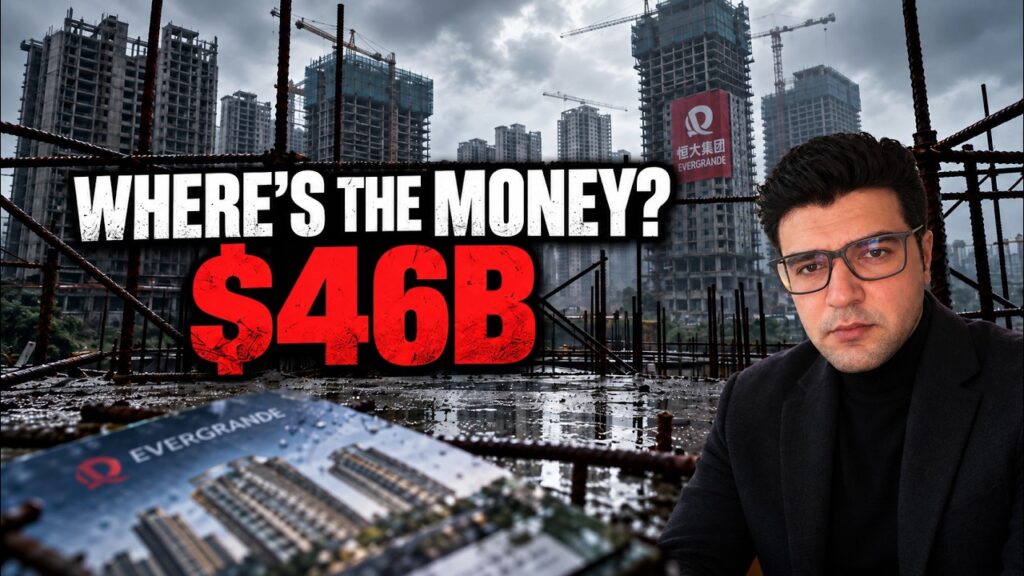 Debt & Defaults The promises, negotiations, and human costs behind sovereign and private debt.
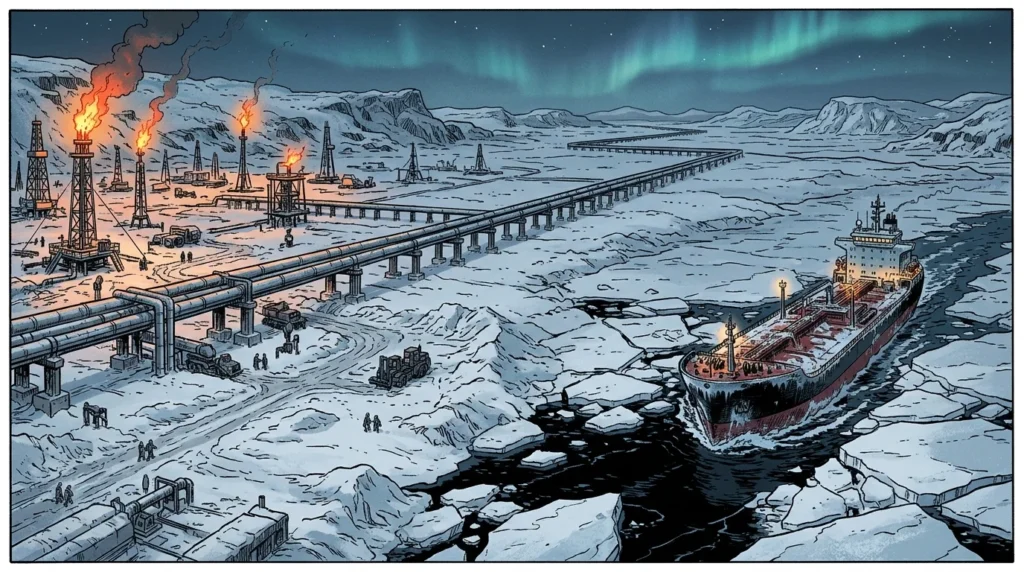
 Oil, Commodities & Trade The resources, trade routes, and supply shocks that reshape economic power.
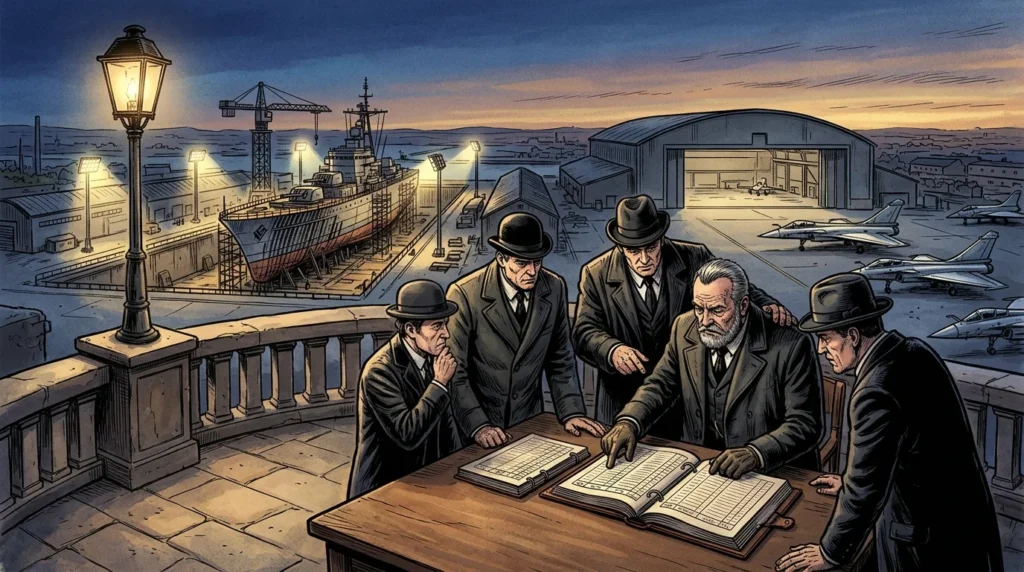
 Institutions The organizations that govern the world economy: their origins, choices, and consequences.
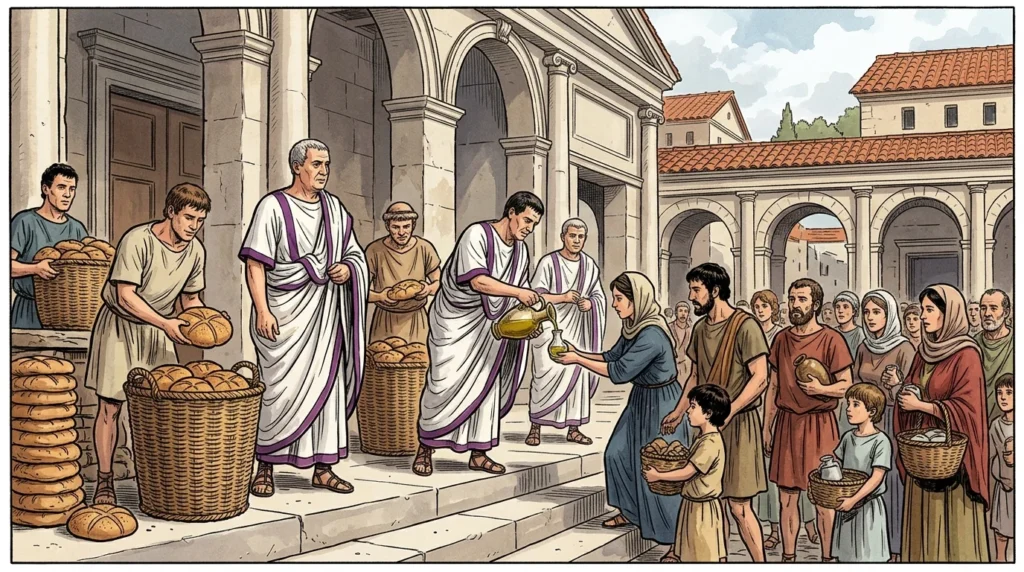
 You Are There Immersive journeys into the moments when economic history changed everyday life.